

First Fire Moon
In Which I Name the March (Eclipse) Moon for Sarah Crowder of One Stone


Hear Ye Hear Ye: I’m going to be talking frankly about bodies & using blunt Anglo-Saxon language in this essay: the Moon told me to. Don’t read it if you don’t like that kind of thing.
Frogspawn / Owlets
My first eclipse memory is Solar, not Lunar. On a Playcentre trip, collecting tadpoles— presumably so we could watch them grow into frogs. In my memory we are in a paddock or field: there must have been ponds or ditches? I must have been under five. It must have been Spring. An association— green field, tadpoles, eclipse. Wriggling life in abundance, animate commas free for the gathering; then untimely dusk.
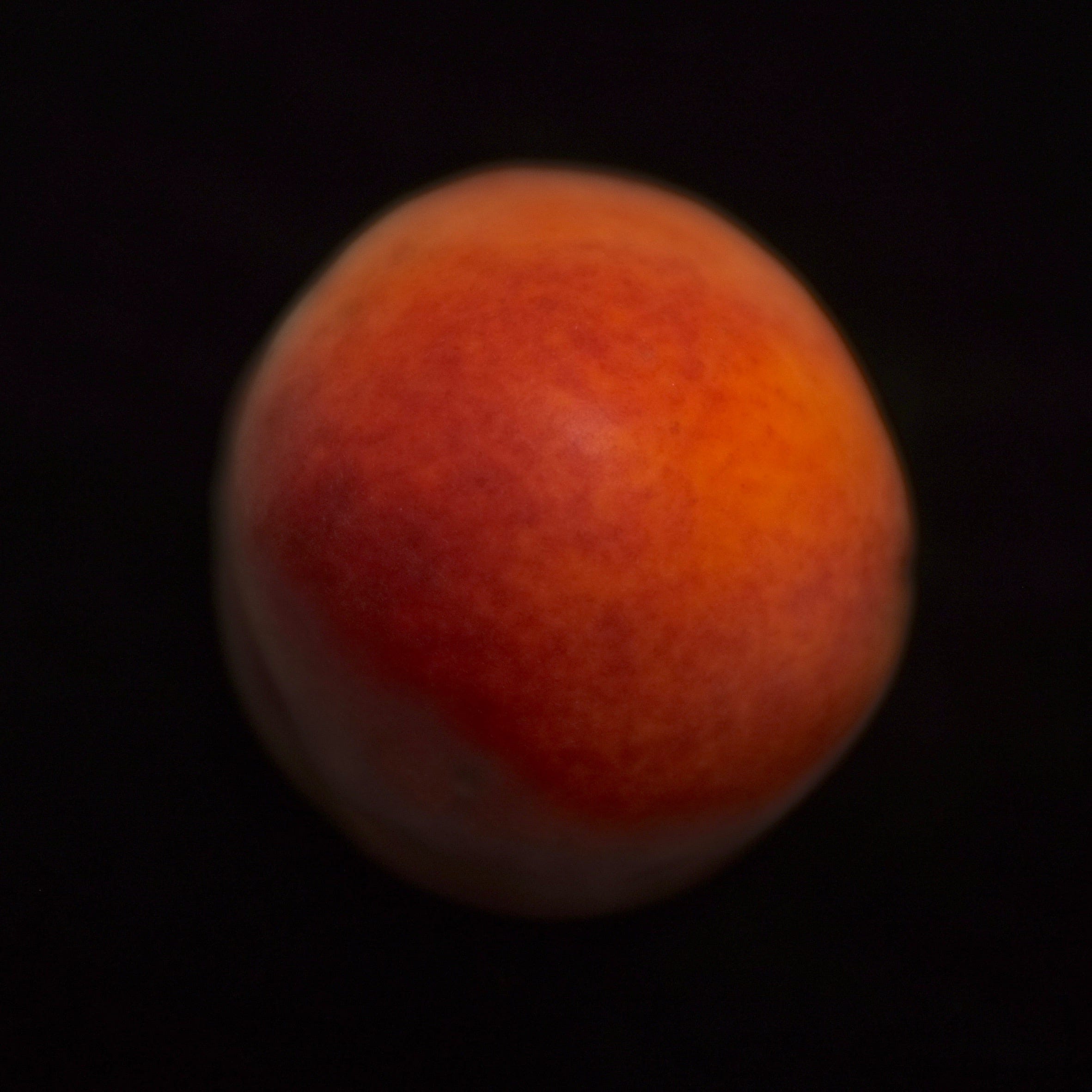
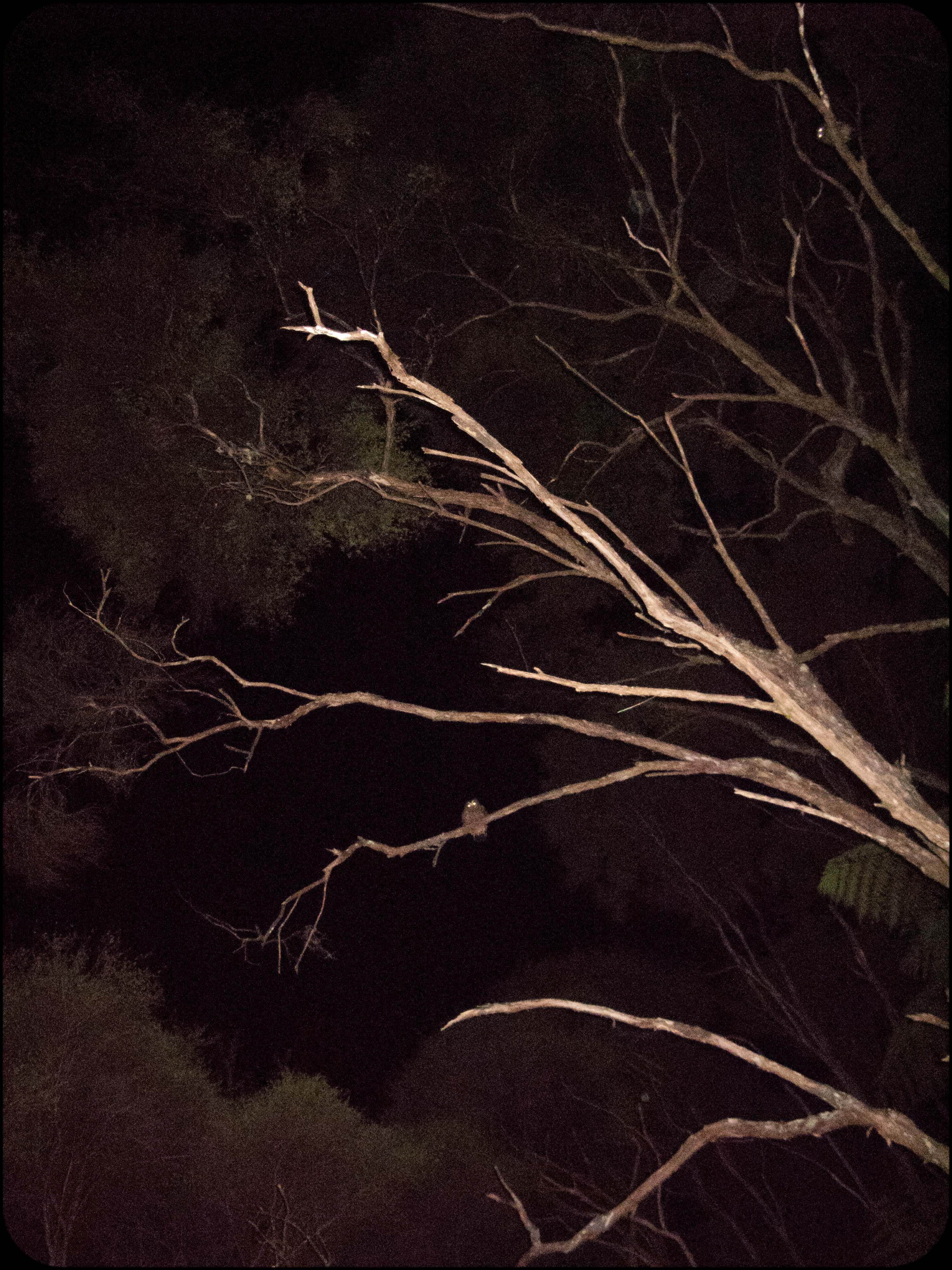
When Sarah Crowder asked me which Moon I wanted I asked for this one, the March Moon, the only Eclipse Moon of the year. The brief was to rename the Full Moon in a localistic way. Unlike normal Full Moons, though, Eclipse Moons already have a common name, so simple I think it must be emergent: Blood Moon, they’re often called— though from my previous observations a Moon in eclipse could just as well be said to be like a fruit. A blushing peach, or maybe an apricot. Usually an eclipsed Moon is more orange than red, anyway, so Blood seems a little overdramatic, though I can hear the poetry of that pairing. Also, I can see that each word has two little Moons inside it, staring out like a pair of eyes. (Blood Moon— see? Twin owlets on a tree branch.)1
Taboo Deformation
The Moon often calls me to look at her. She’s like a piece of gravity in the sky— well, she IS a piece of gravity in the sky— but I mean that she has a vibe, a presence weightier than her size. Often I locate her by feel first, then by sight, like when a charismatic person walks into a crowded room & you turn around to look at them before you even know you’ve done it.2 The gravity of Isn’tness is darker, grittier; more of a suck than a glamorous shine. One time I was riding the night bus from Wellington to Auckland, or Auckland to Wellington— anyway, I was in a bus on the Desert Road at night, when suddenly I woke up from my half-sleep feeling strongly that I needed to look at the Moon: she was partially eclipsed, a bite taken out of her side.
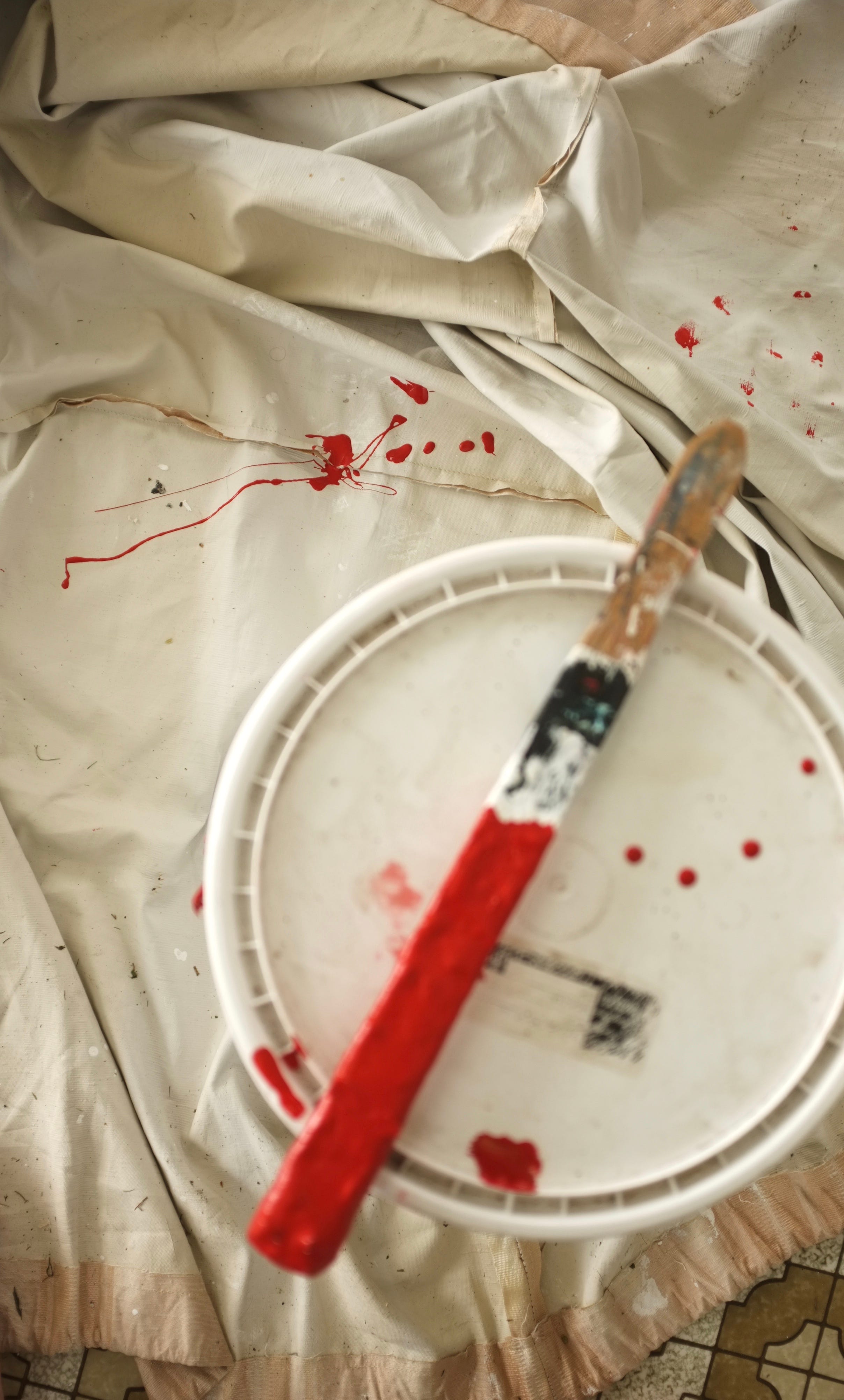
Because this essay was for Sarah, I thought about the kind of things we like to discuss together, in our riverish secret chat. It seemed, too, like an opportunity to write about something different to what I usually write about. Because the Eclipse Moon would be shadowed, I decided I wanted to write about what is shadowed in the human world: hidden, interior, unseen, unsaid. I thought, therefore, I would write about the inside of women’s bodies, the subjective experience of being female. Taboo can cause a lacuna, a hole in sight— the unseen unseen— like the way you never look directly at the Sun. Consider, for example, the fluids women contain (/ exude / spill / touch / taste / remember) but are not meant to name. Last Saturday night at the Rogue & Vagabond I watched a dark-haired young woman walking across the crowded lawn in the evening light: on the back of her cream-coloured linen skirt were two patches of red blood. I found this beautiful, visually striking— the flag of her disposition.
An eclipsed Moon is a brightness turned inside out; a shadowed mirror; a dark omen.3 My Astrologist friend Erika says it’s best not to look at an eclipse. I recently found out from the book I was reading (Proto by Laura Spinney) about a linguistic phenomenon called taboo deformation, whereby the-thing-that-must-not-be-named bends language around itself, like a Black Hole in spacetime: euphemisms, elisions, nicknames— these are all workarounds, ways to speak about the unspeakable, to name the unnameable.
Eclipse Season
The dilemma I found myself grappling with while sifting possible names was one of forethinking. The Eclipse would be a singular phenomenon, yet I had agreed to write about it— to name it— before it happened. I had seen plenty of other Lunar eclipses, but not this one. It would take place on Tuesday night / Wednesday morning after midnight, but I couldn’t predict its colouration— or if I would even see it at all, whether the skies would be clear or cloudy on the night. (The scientist favours the perfectly clear sky for observation of astronomical phenomena, but as an artist I prefer just the right amount of cloud for a dramatic setting / changeable colour & light. Not a heavy grey blanket, but whimsical tatters & billows of cloud with sizeable clear-sky gaps. A naked Moon in a clear sky looks very small & undramatic, as anyone who has tried to photograph one will know.)
By a trick of distance the Sun & Moon appear to be the same size in the sky, viewed from Earth, but of course the Sun is huge & the Moon is tiny. We modern humans understand such things. The disparity in size, though, can be inferred by the fact that a Solar eclipse is over in a matter of minutes, whereas a Lunar eclipse takes hours. As with many sky-gazing activities— meteor showers, aurora, & so on— patience is required. One time I went to the beach with Richard to observe a Lunar eclipse, but after an hour or so he got bored & restless & went off dumpstering. When the Moon was in totality I texted him to ask whether he could see it. He replied (& I quote from memory, as this text is graven into my brain as one of my favourite messages ever) ‘I’m staring up out of the skip it’s goddam beautiful!’
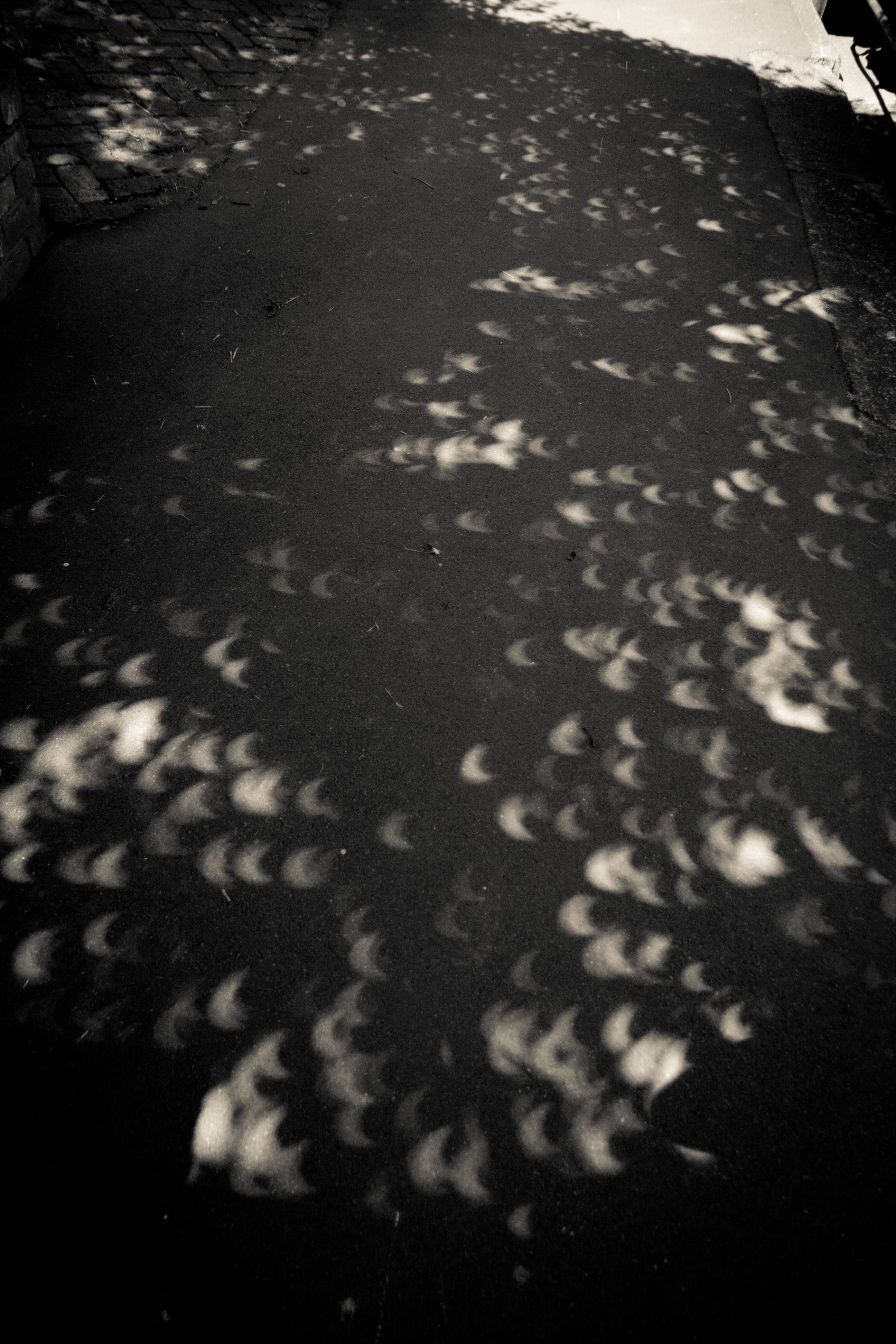
There was a Solar eclipse at New Moon, a few weeks ago, but it took place in the middle of the night Aotearovian time, so I didn’t see it. Eclipses occur in pairs or clusters: that’s why it’s said to be Eclipse Season when they come. I often talk about Eclipse Madness. People don’t believe in it, but I reckon it’s a clearly observable phenomenon. Crazy things happen around eclipse time. It doesn’t matter whether you see the eclipse or not: like astrology, it still works on you. So here I was in the gateway between two eclipses— post-Solar but pre-Lunar— trying to distill the inchoate vibes into some workable essay. How to name a Moon I hadn’t seen? That’s like naming your unborn child before you see their face: possible, but intellectual, theoretical.
Voyage to the Interior
Then I got a Doctor’s appointment on the day of the Eclipse, so I thought I would write about my Doctor, an old Wizard whom I love. An excellent G.P. is a rare & precious thing indeed. I associate him with the oak, because three large oak trees grow beside the clinic, & every time I go to see him I check out what the trees are up to. Each tree has its own timing, so they are often in slightly different stages of leafiness. When I leave after seeing my Doctor I often get a physical rush of joy because I love him so much. (It makes me feel superstitious to write about him, to be honest— he matters that much to me. However, I did once give him a jar of homemade blackberry jam & the sky didn’t fall.)
This was still on the theme of the taboo body: in particular, I thought I would write about butt stuff. (O anus, thou most universal & ancient hole! There’s a phase very early in foetal development when the embryo is just a basic tube, something like a sea cucumber, & there’s an argument to be made that even when we’re fully cooked, we’re still just a more convoluted tube, each end— entry & exit— guarded by taboo. All those tattoos around the mouth, all that secrecy around the arse!) My Doctor once told me he’s seen more arseholes than you’ve had hot dinners, & that in his view the human arsehole is very poorly designed & prone to failure— except he didn’t phrase it like that, he said bottoms.4 I am always fascinated by Doctors & what they get to know & see.
Then I thought I would write about times when I’ve seen inside my own body, which I always find to be amazing: X-Rays, ultrasounds, intrepid cameras journeying into the virgin interior. Knowledge can be gleaned when one reaches into someone else’s body with parts of one’s own, but it is a blind knowing, & limited to the length of whatever parts one is using to reach with— in my case, the length of my fingers. Cunning instruments enough, but not very long: at maximum depth I can reach the cervix or the prostate, just as a Doctor can when working with their hands.5 Texture, & warmth, & the weather inside, the changeability of mucous membranes, these things one can discern by feel— but not sight, not like Doctors get. The colonoscopy like the magic schoolbus— sure, let all the students come & watch too, why the fuck not! Or the pleuroscope6 by means of which my Doctor friend Andy retrieved a nose ring from someone’s lung in less than ten minutes, in your face, LOL; it had taken his colleagues hours to get a Brazil nut out of someone else’s lung the week before. Andy says he is a Physician, which at first seemed an old-fashioned word, a dispenser of physic; but after a while I worked out that it means a specialist who is not a surgeon. “Yeah, I leave that to the butchers,” he says.
While I was thinking about maps of the interior I suddenly remembered my first-ever mammogram last year. The bored, weary nurses— there were two of them, the young hijab-wearing nurse in the corner who didn’t look up from her phone the whole time, & the South African nurse with the gold crucifix & the air of fatigue who yanked me around while telling me not to try to help her. (Just be the meat in the metal sandwich, OK?) It was afternoon, & every word out of her mouth felt worn-out, like she’d said it dozens of times already today. That was fine by me, I didn’t need her to pretend she was enjoying herself. Afterwards I caught a glimpse of my breast-scans on the screen, black & white, constellations of chalky clouds. I couldn’t tell if what I saw was normal, as it was a sight I’d never seen before, this being my first time. The Nurse saw I’d seen & said in a neutral tone “They look like Moons, don’t they?”
This too felt like a line, like she said it to everybody. Could the nurses tell from a glance if you were going to die? If they could, they’d be trained not to give anything away, wouldn’t they? Afterwards I couldn’t stop thinking about those two black & white maps of my flesh & the technician’s planetary metaphor: twin Moons.
Anti-Mirror
Apart from these occasional glimpses, so much of what goes on inside one’s body goes on in darkness: sensed, not seen. All of pain & the whole universe of potential pleasure. The subjective experience of being a female body— how it feels from the inside— is strongly at odds with the cultural drive to consider female bodies from the outside, as objects. To privilege appearance over experience (to always be the-one-looked-at & never the-one-who-looks) is to sever oneself from subjectivity. The extent to which you locate yourself imaginatively on the outside rather than the inside of your own body— the amount of time you spend imagining how you appear— that is the very same distance you place between you & your selfhood. Looking, listening, thinking, sense-making, truth-telling: all take place from the inside out. All the most important processes of creation, all conversations self-with-self, take place in private, inside a dark sealed room.
Someone (I can’t remember who) told me recently about an artist’s project involving the artist re-polishing ancient metal mirrors. I didn’t think this story was true, because a Museum or archive would never allow such interference with ancient objects: it’s against their rules. (Cleaning & restoration is done in Museums, of course, but it is very carefully done over long periods of time by experts, so I didn’t think they would consent to a mere artist tinkering with their things.) Still, it’s beautiful to think about: a surface designed to be reflective, made unreflective with age, then made reflective again. Ally said the other day at the Rogue & Vagabond— he was talking about Seung Yul Oh’s sculpture KIMI / You Are Here, an inverted teardrop shape made of mirror-finished steel— that a mirror is a quantum portal into another dimension. It’s literally true, in that everything is backwards in mirror-world.
But that also got me thinking that in the time before glass & metal there was no such thing as a mirror, really. You could use reflective stone (obsidian, say) or water (like Narcissus); but really a world without mirrors would be a world in which one might really never see oneself from the outside— a world of pure subjectivity. One would see the effects of one’s appearance, but not the actual appearance. Even if someone else drew or painted you, that image would still be filtered through their eyes & hand.
Cat’s-Eye
The Moon was getting fatter every night, & by now I too had started to bleed. When Kelly was seeing me off at the gate, I pointed at the waxing Moon in the clear sky & said there it was, my writing deadline. As I walked away backwards, she turned around & clapped her hands on the sides of her bum, which puzzled me for a minute: was she making a Moon joke? (Showing someone your naked arse is called mooning.) Then I remembered I had already told Kelly my plan to write about bums, so that’s why she was showing me hers. (She used to be a nurse & furthermore has three sons, so— much like my old Wizard Doctor— she has seen more than her fair share of them.)
It’s also true that in some cultures (older) women show their cunt as an analogous7 gesture of derision, a putting in place: don’t forget this is where you came from. I find both of these gestures interesting, because of the way uncovering or revelation— making naked— of a vulnerable part becomes a statement of power. That’s what I’m interested in, really: how taboo protects power. People make taboos around that which they fear. Portals into the body, portals into life. So a taboo, as well as a warning, can be seen as a signpost to something powerful.
Walking home under the moonlight I stopped to photograph a cat sitting between two white gateposts. The cat disliked the eye of the camera: it turned its bum on me & stalked away up the path, then sat down near the shadow of a rosebush. (Cats have no shame about their arseholes: showing them, licking them, etc.— & dogs perceive a whole Universe in the arseholes of other dogs.)
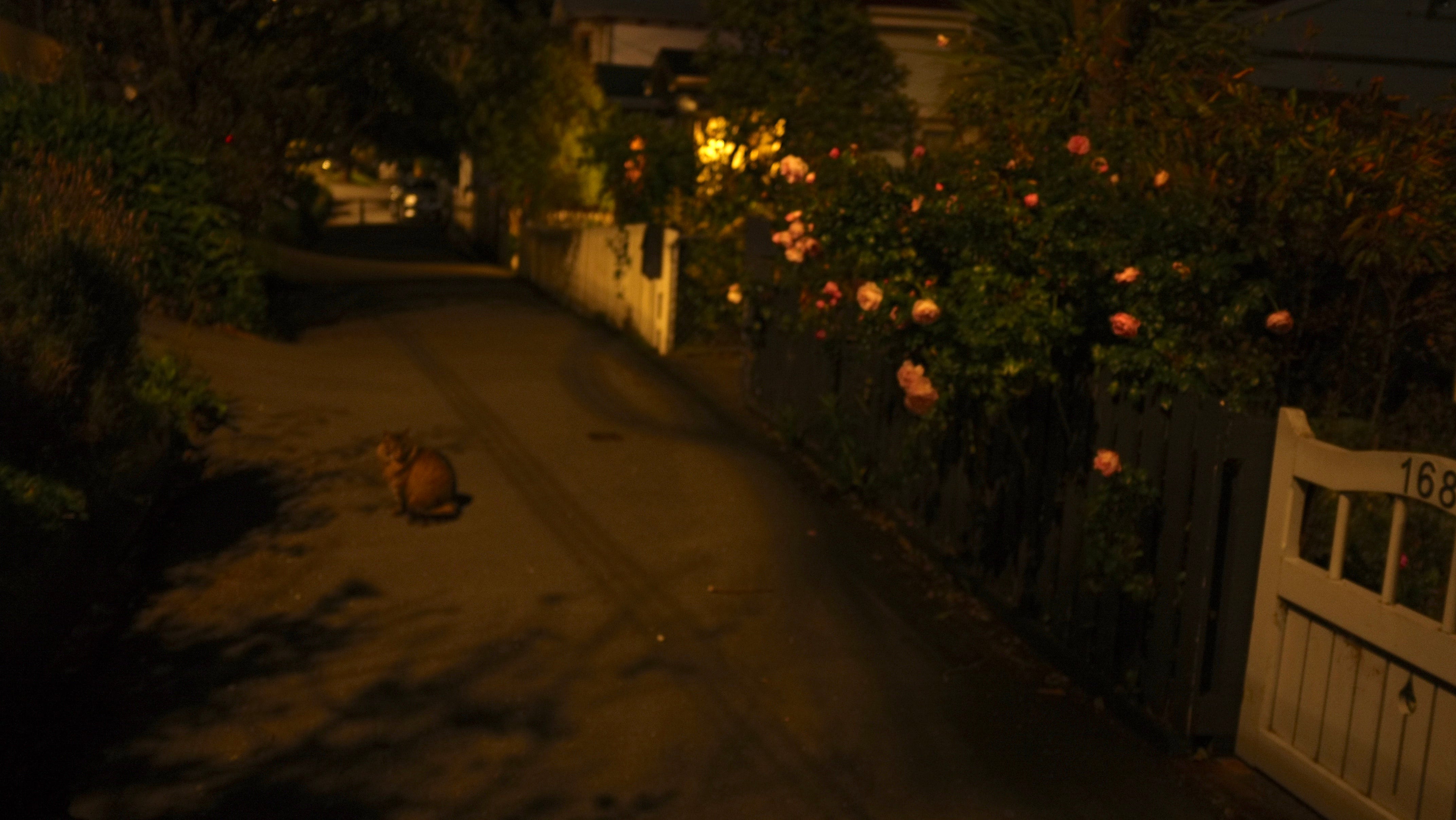
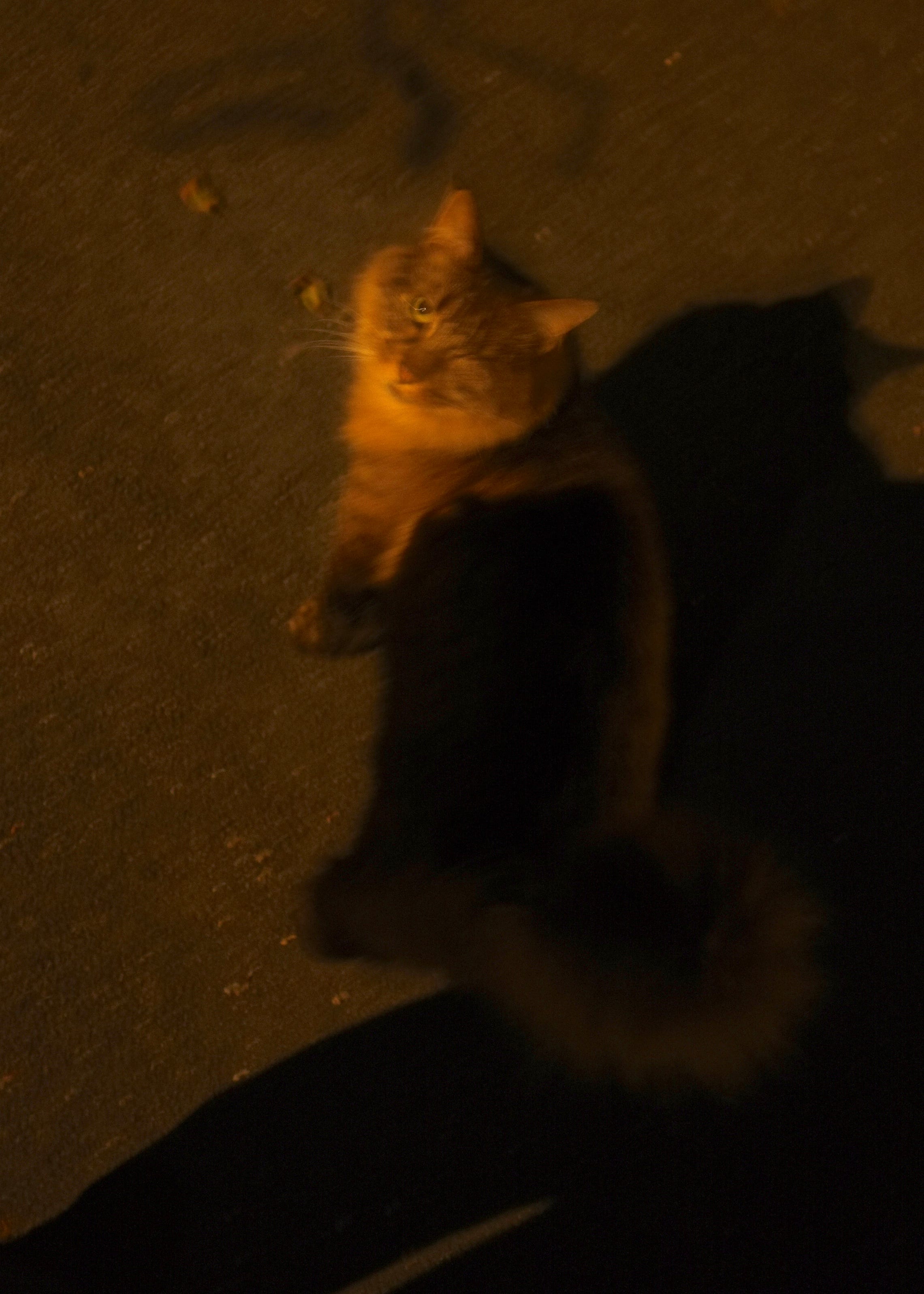
I backtracked slowly, stalking my photographic prey crabwise. When I crouched down the cat became friendlier & approached me to be patted. I obliged— it had a nice fluffy tail— then suddenly it turned its face to the light & I saw it had only one eye:
Egg / Eyeball
I was no closer to a name. I kept picking them up & putting them down again. Anyway, I was still pondering on the Moon, bodies, & interiority when I dreamed that I was inside a tiny spherical bathroom. At first I didn’t like it— it felt weird & claustrophobic in there— then suddenly I loved it. (Like the way, when you hear a new singer with a weird voice, you can hate & then a moment later love them: as my ex used to say, Love & hate, two horns on the same goat.) In my dream I asked the twins who were in there with me— young, beautiful boys— why did your Mother design the bathroom that way?
They said, She made it to look like a pearl.
When I woke up I saw that a sphere is also like the Moon: the dream was like being inside the Moon.
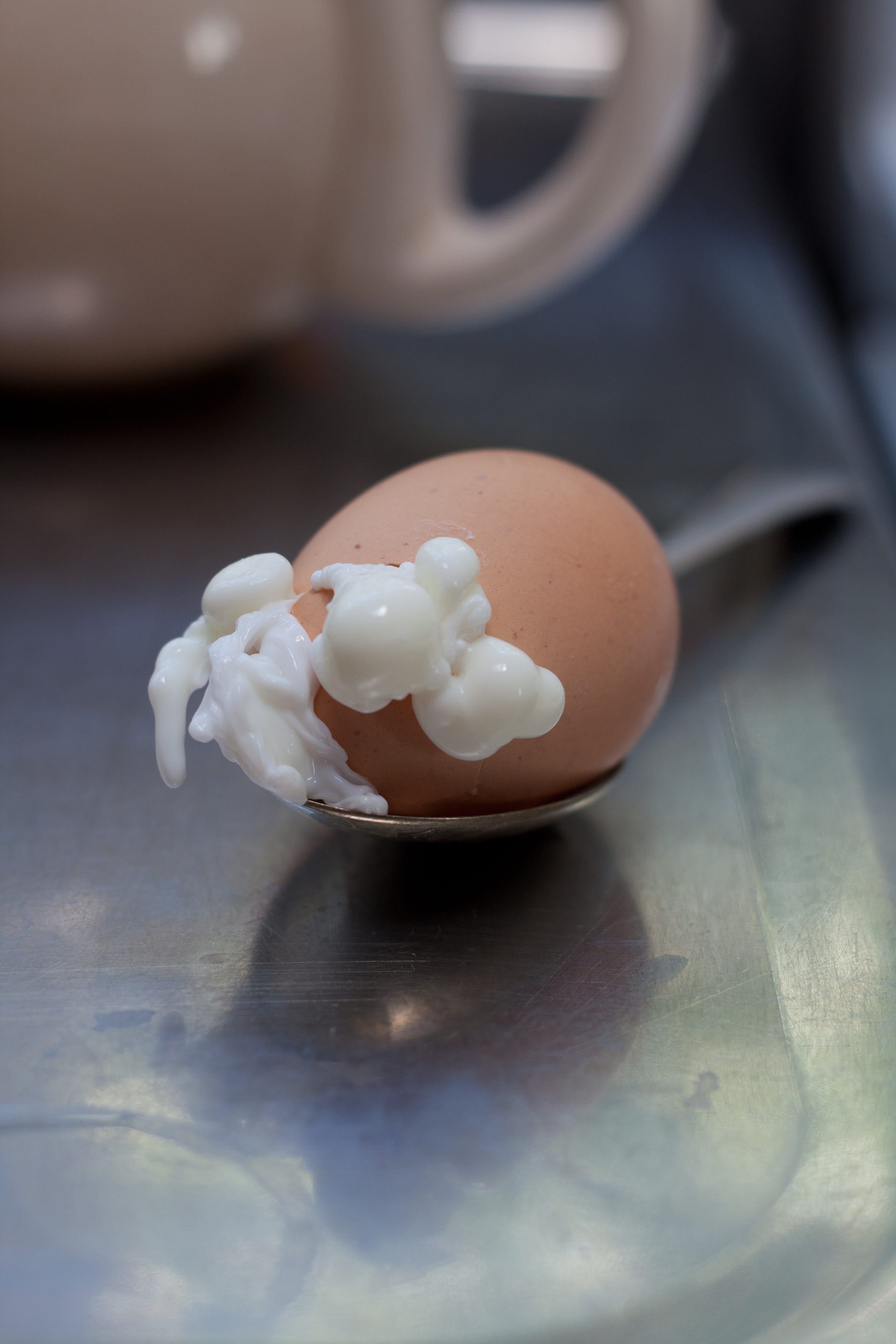
An egg with twins inside: Leda’s egg?8 Being inside the pearl / egg seemed to mean privacy, safety, protection. In humans (& other mammals) the egg has gone interior, migrating inward like the shell of Spirula spirula (the tiny ram’s-horn squid) or of Scutus breviculus (the duck’s-bill limpet); slugs have also internalised their shell over the millennia. The human egg has become a tiny seed, but for animals that gestate inside eggs the egg is a temporary home, a bespoke womb.
I had been reading in my book Blood of the Isles, by Bryan Sykes, about mitochondrial DNA, how it is passed on through the maternal line, from the dawn of time til now. The sperm has only a few tiny strands of mitochondrial DNA (in between its head & its tail) but the egg carries inside its shell a whole huge tapestry of mitochondrial threads— 200,000 to the sperm’s five or so (which are mostly destroyed or lost in the process of conception anyway): Mother to Mother to Mother (times infinity) to you. The mutations in this mtDNA can be used for dating, so we know how long ago these Foremothers lived. For instance, all human being are descended from one woman, who they call Mitochondrial Eve. And all (most?) of the humans in the British Isles are descended from seven women: geneticists can tell how long ago they lived & where. I don’t have the book with me so I am riffing from memory, but the eldest Mitochondrial Foremother was from France sometime in the Ice Age, whereas the youngest Foremother was from modern-day Syria in the Neolithic— most likely a Beaker person by my reckoning.9
The egg is our true home, our planet of origin. The ovum is the largest cell in the human body, the only one visible to the naked eye (about the size of a full stop): all that abundance of blood is really the egg’s bed & / or the egg’s flood. If the usual Full Moon is an egg at ovulation, is the shadowed Blood Moon that same egg shed? Ovum Inviolate. Wizard’s Egg. Walking home still pondering on eggs I was wondering whether any organs are spherical, & I realised that the eyeball is, roughly. Also, the eyeball is twinned: there are two of them.
Behrouz told me a story the other week about the time he asked some old people in his village what shape they thought the Earth was. He said he phrased it like, If you were to walk in one direction for a really long time, just walk & walk in a straight line, do you think you would come back to this same spot? Some of them said no, you would come to the edge, but his Uncle, a shepherd, said yes, you would come around from behind & back to here. Behrouz asked him, How do you know that, Uncle? He said, because of the Sun & Moon. They are round, & they go all the way around the Earth— going down on one side & coming up on the other— so it stands to reason that the Earth is round too.
Hermit
It has been a busy month, both inside my new eggshell / chrysalis / home, with lots of company & camaraderie but not much downtime, & a busy month also in the world outside the house, with other tasks calling me away from writing. If I don’t have space or time to write, if too long goes by between essays, I start to pine away & fear that my Muse has deserted me forever. It’s like doing it is the only proof I can do it. I knew, though, that everyone was due to go away before Full Moon, & so did it come to pass.
Because I’m now home alone I’ve moved my workspace back to the mezzanine, a high-up spot in a high-up house. I named it the Falcon’s Nest when I first moved in, for its cliffside aspect. This desk is where I wrote my last two essays. Places where you’ve written well acquire a special resonance. You performed magic in them before, it feels likelier you can do so again. (The opposite also applies: places where you’ve been blocked become harder to unblock, like a toilet.) It had been so long since I’d written anything, but as soon as I was alone the flow began.
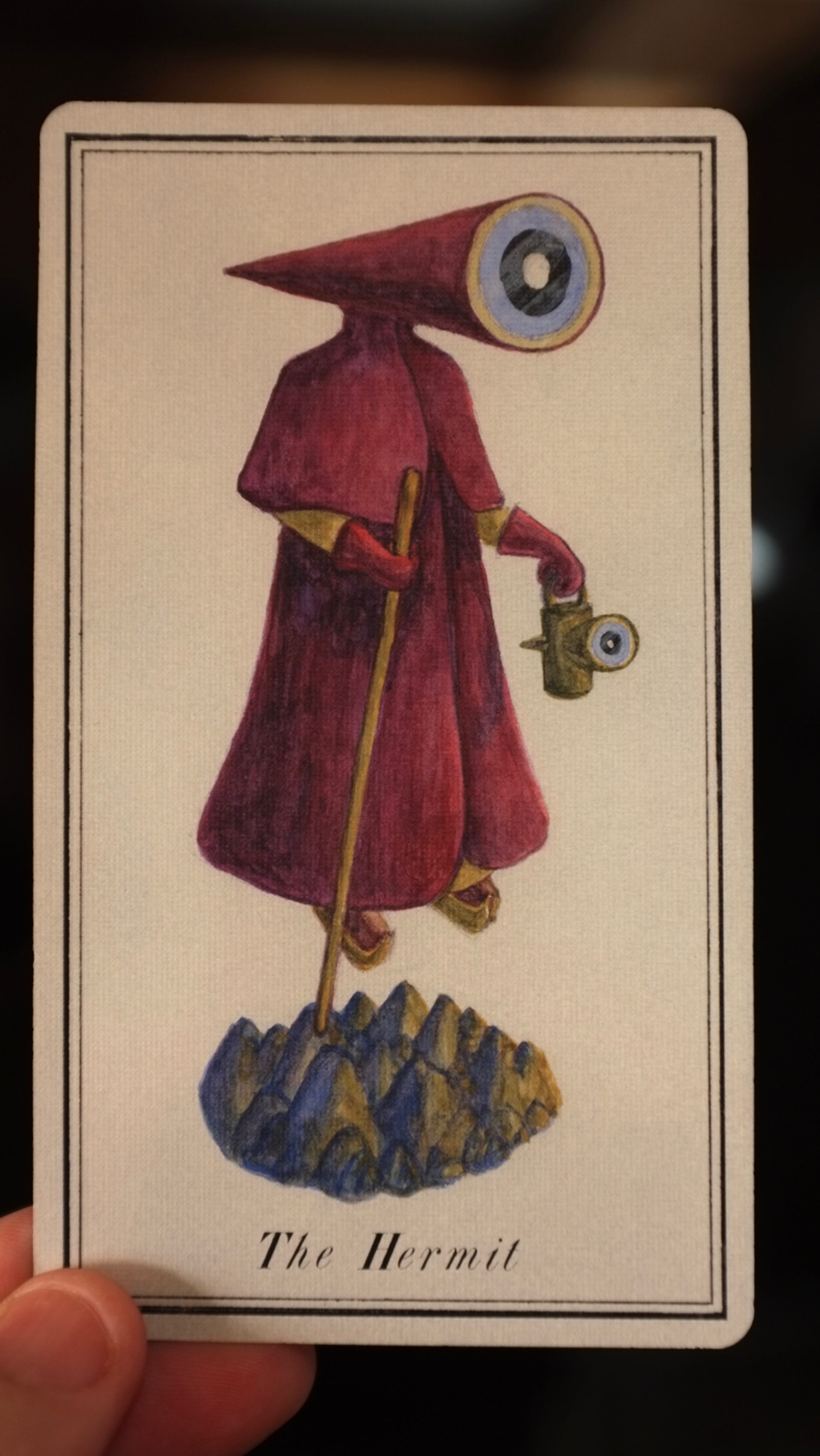
Fruit skin, egg shell… What is seen by others, the outermost layer. As well as darkness, sweetness is hidden inside. Always being pulled outward / skinward means never being free to go inward, into the sweet darkness. It took me so long to understand that Wizard business (creativity, thought, magic) is a solitary activity for me. The true magic is very shy— it can only come out to play when I’m entirely alone for long stretches of time. I never knew this until I had space to know it in. It’s also true that the energy used for art is the same energy that is given away to others; if I give all this energy away, I have none left for my own work. (This is why relationships can be a form of self-sabotage.) Other people are so complicated & fascinating; art is austere & quiet. Long-term relationship to art is a kind of priestesshood, a celibacy of the soul. Married to the Muse, giving the juice to everybody & nobody rather than to another human or set of humans in particular.
Writing is a magical working, every letter a stitch in the grand embroidery. The weaving of an imaginal pattern creates gravity, just as the Moon does, drawing omens to itself. I can trust in that: things start to clarify. Everything begins to look like what one is writing about.
White Os: sunlit dandelion seedheads glowing against the shadowed green.
Missing white Os: the sign I saw out the bus window— ACC( )MMODATION.
Goose-Feather Bed
From my desk-for-the-moment I can glance up & see the veils of rain & patches of yellow Sun covering & uncovering the other side of the valley. I have never been here in this season— I moved in on Summer Solstice— so I am watching a new unfolding, the specific way the year plays out here. Autumn.
Last night, Eclipse Eve, was very cold— the first properly cold night, windy & rainy (it also hailed yesterday, the hailstones tinging off the metal chimney & sliding down the skylight, both just above the desk I use).10 As night fell, prompted by the cold weather, I went up to my tiny sleeping nest & changed the blankets over. First I took the Summer quilts off & folded them up. This was tricky because my bed is up in the roof, right under the ridge beam: there isn’t enough room to stand, only to sit. Then I got the duvet out of the basket I’d stored it in & shook it out onto the bed for the first time.
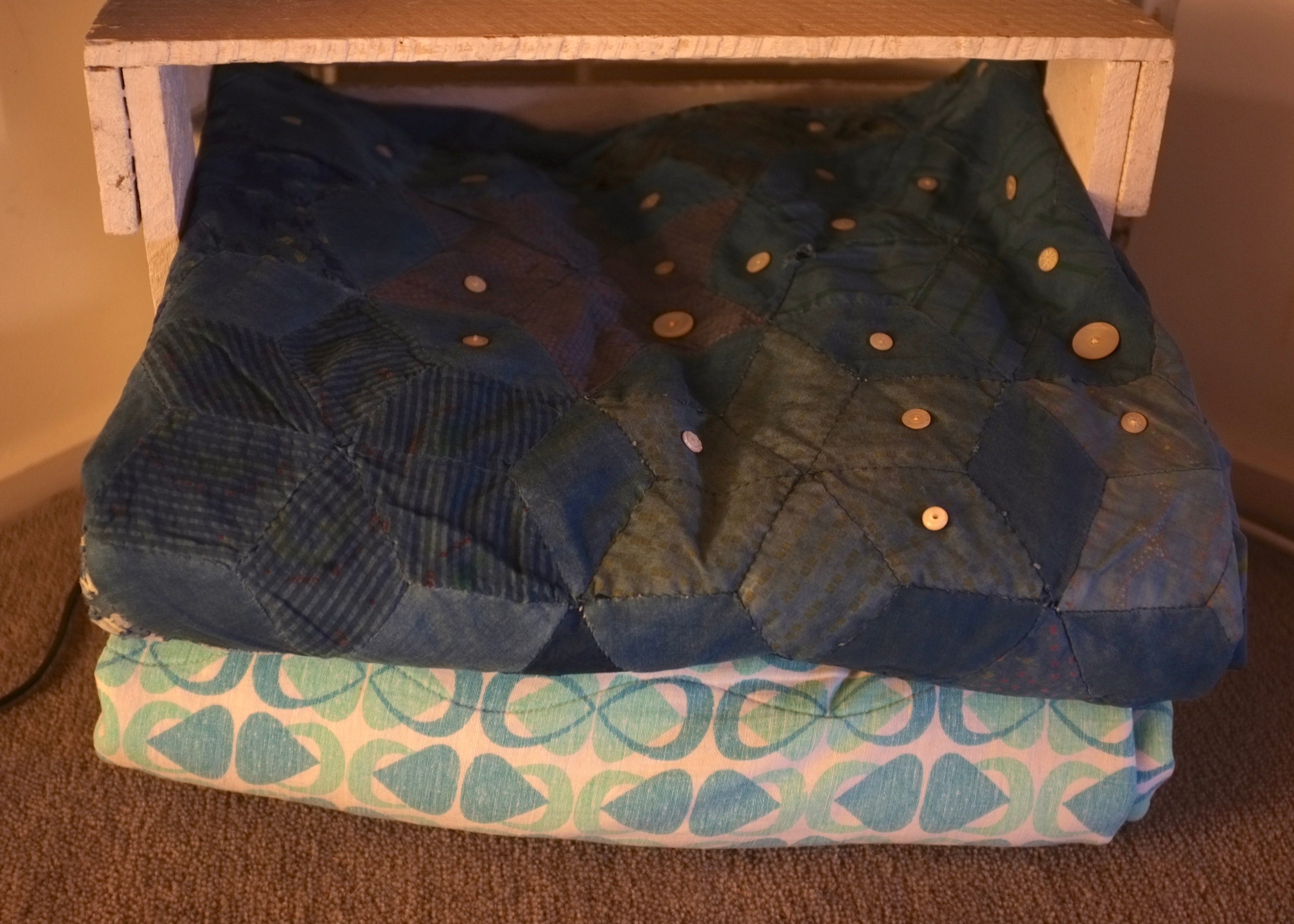
It was yesterday, that first properly cold day, the day before the Eclipse, nearly under its shadow, when I realised it was always going to come to this: I would not name my Moon after any theory or thought, any concept, nor would I name the Moon for what is happening in the world out there— I would name her for what is happening here, inside my eggshell.
While house-painting I’d been listening to Lankum radio, Lisa O’Neill radio, Stick in the Wheel radio. The algorithm considers these artists similar, so the same songs came up again & again in the playlists. Repetition is a hothousing process— listen to a song enough times & you start to learn it.11 A song that came up over & over, in many different variations, was the one often called The Wraggle Taggle Gypsies, or Seven Yellow Gypsies.12 I liked this version best, from London band Stick in the Wheel:
This song is one of the most popular & widely sung folk songs of all time. It tells of a lady running away from her rich husband. Gypsies come to her door & sing, she takes off her fine clothes, puts on practical ones, & leaves with them. The lord comes home to find her gone, calls for his horse, & rides after her. When he finds her, he asks, What made you leave your (house & land, gold & treasure, new-wedded lord, baby, etc.)? She replies, What care I for my (house & land, gold & treasure, new-wedded lord, baby, etc.)?
My theory as to the evergreen popularity of this song is twofold. From the lady’s point of view, she does what she wants & is defiant about it, which makes it fun to sing if you’re a girl. Also, from a class perspective, the lady leaving the lord for a gypsy life is gratifying: for a poor person to sing this song is therefore also an act of defiance.
In the song— & this is how many variations end— there’s a verse about a goose-feather bed. What about your beautiful warm bed, says the lord, the one you slept in last night? The lady replies What care I for my goose-feather bed, with the sheets turned down so bravely o? Instead, she reckons, she’s going to sleep in the cold open field, in the gypsy’s arms. But I’m the opposite of the lady in the song. I care very much for my goose-feather bed with the sheets turned down so bravely o. I’ve spent enough time (metaphorically) out in the cold. I’m happy now to be in my little warm nest as the bad weather comes on. I like living in the roof like a bird. I finally returned my overdue books to the library yesterday, unblocking my account, & got four new ones out— novels, which I don’t usually read— all slender, all written by women. Not on purpose, it just happened that way. When it rains, up there in my nest, the rain is just above me: I can reach my hand out & touch the roof, the other side of which is being struck by the rain hammer dulcimer-style. You can imagine it, eh? Sweet, eh?
So that’s the inside of the egg— cosy. I thought about naming this Moon
Duvet Moon
Nest Moon
or
Rain on Roof Moon
But it’s dusk now. The Eclipse is near. The Sun is going down, & he’s swung so far North in the last few months— since the last time I wrote in here13— that he’s shining straight into the office & onto these words on the screen, brightening on & off like a lighthouse as the wind-driven clouds cover & uncover his face. (Wind the sheepdog, clouds the sheep...) I can see a single light shining in the dark silhouette of the castle-like manor on the opposite ridge.
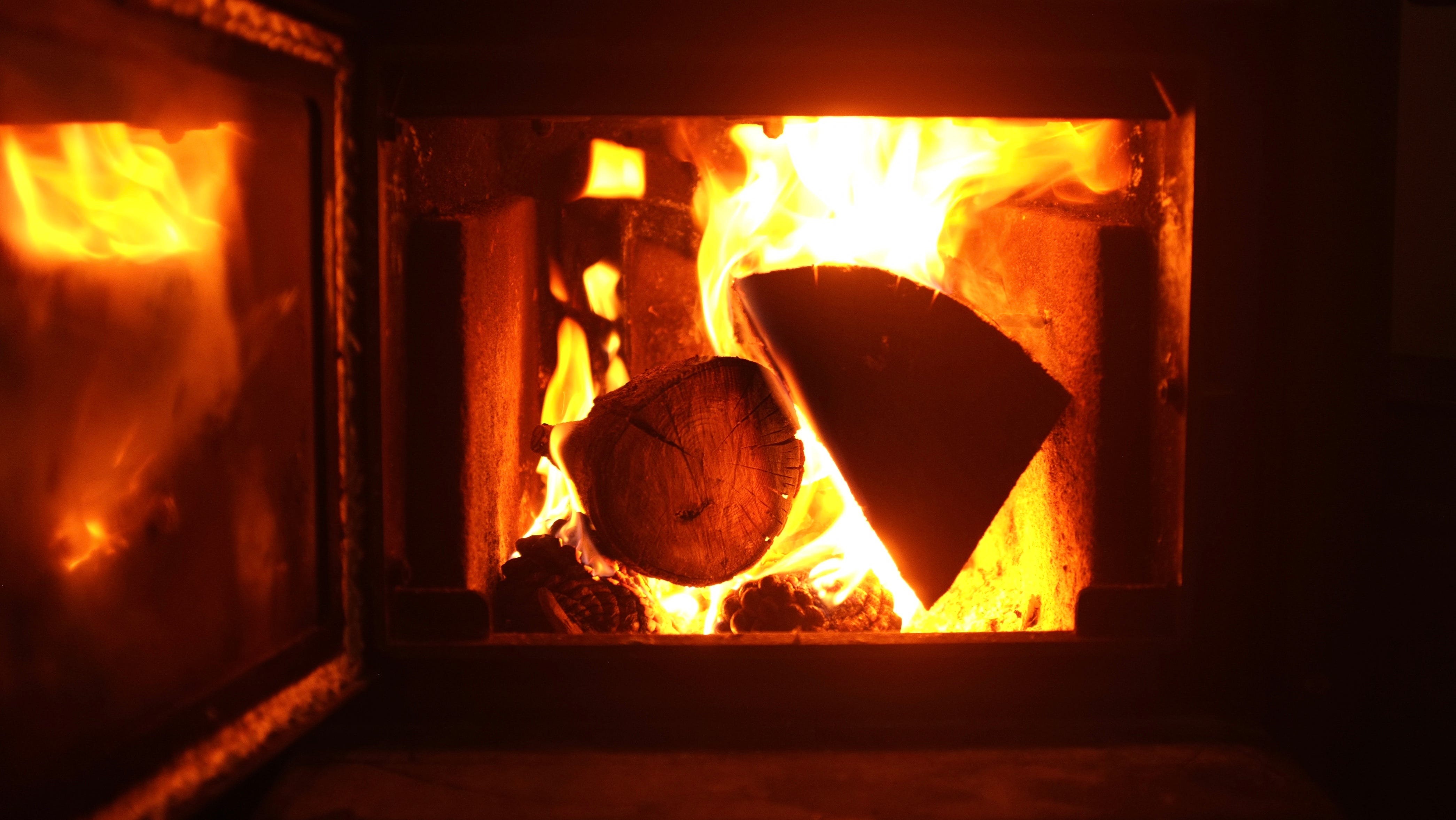
Anyway, I’ve decided what I’m going to do: as soon as it gets dark I’m going to light the fire. I’m a Leo Sun, fixed fire, so the hearth fire is a symbol after my own heart. (Aries the lit match, Sagittarius the wildfire— but Leo is a steady burn.) The creative fire needs correct conditions— dryness, oxygen, fuel— but given those, it becomes a dynamic system, virtually runs itself. (See Footnote 5.) Get it roaring, then push the damper in, remember to poke some wood in once in a while. Easy. It doesn’t matter if clouds hide the midnight Moon: I’ll send her some fragrant smoke as an offering. It’s the first fire I’ve lit in this house.
The time is near— the portal is opening— this is fly by night, down to the wire— the sky is a blanket of grey— but nevertheless I launch this forth at midnight— the beginning of totality— & I name this Moon—
First Fire Moon!
Find the owlets: there are two
Once I was walking down Willis Street behind a very dapper & confident man. He was flanked by two people & both were leaning in to catch his every word. I overtook him & looked back to see his face: it was Billy Connolly. See? Gravitational force— Star Power, in this case.
The Cranky Astrologer says that in ancient astrology a Solar Eclipse foretells doom for Kings or Kinglike figures— death, exile, or a fall from grace— whereas a Lunar Eclipse foretells doom for Queens or Queenlike figures.
Why did the toilet paper roll down the hill?
…
To get to the bottom!
This joke is a very reliable one— it works on most people, but for best effect tell it to a child
It’s interesting that in the old days before medical imaging Doctoring was far more about what one could feel through one’s hands
A long thin instrument with a camera & tiny nippers on the end like a crab claw, as I understand it
Anal-ogous
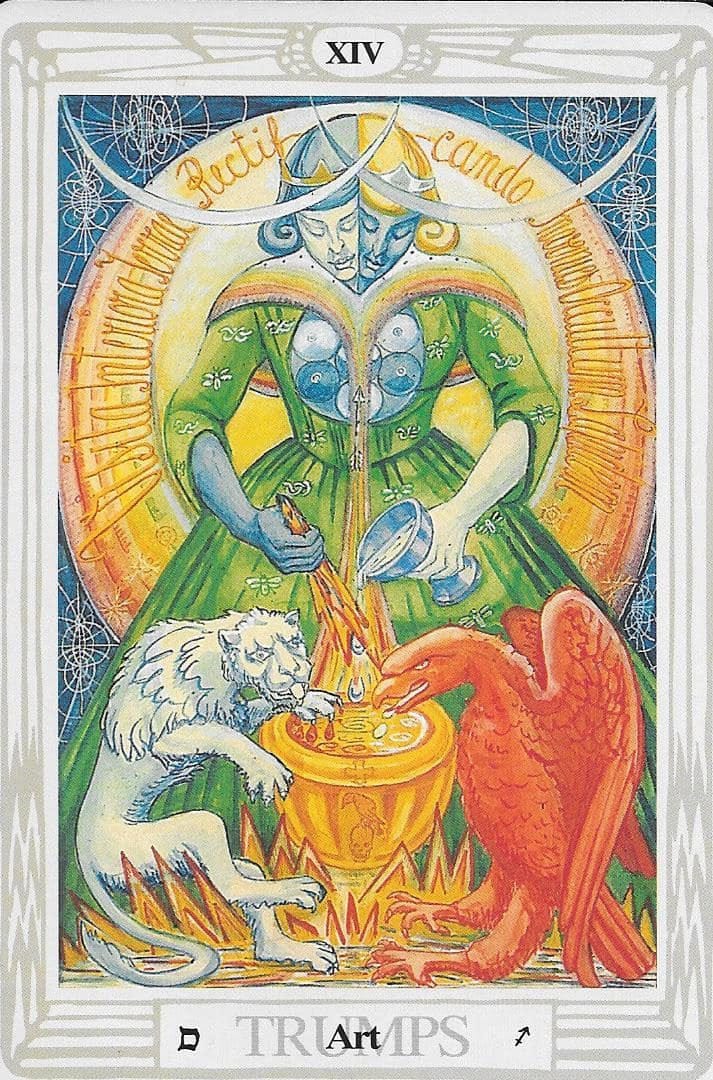
I’m very fascinated by genetics but I also find its omniscience horrifying— it seems sacrilegious, somehow.
A Dispossessed reference: in Pravic it’s bad manners to say ‘my’
For instance, I became infatuated with this song by Liam Ó Maonlaí (lyrics & translation here: Joe Heaney - Sadbh Ní Bhruinnealaigh)
Here is Liam Óg singing the same song, a video that is too beautiful not to include also…
More information here: Mainly Norfolk - The Gypsy Laddie
There’s also an episode of Ian Lynch’s wonderful podcast Fire Draw Near devoted to this song— it includes 13 different variations— you can listen to that here: Fire Draw Near - The Gypsy Laddie
Has it really been that long? Yes it has
 | A guest post by
|